
Project Management for Retail Fit-Outs: From Planning to Handover

The opening date is set. Strip-out work is underway, the electrical plan needs to be coordinated with the lighting design, furniture and display fixtures have been ordered, and the material for the checkout area has yet to be decided. Each of these tasks can be managed individually. The challenge arises when they affect one another and decisions do not reach the right people in time.
This is where project management for retail fit-outs and interior construction comes in. It brings planning, trades, schedules and costs together in a coordinated process, establishes clear responsibilities and makes dependencies visible before they become problems. Retail projects have some specific requirements compared with conventional construction projects: opening dates are often fixed, brand guidelines and landlord requirements must be taken into account, and several locations may be running in parallel.
As a general contractor with experience in retail fit-outs and interior construction, Projekt Kraft takes on central project management from preparation and implementation through to handover. The process follows six steps:
- Clarify requirements
- Plan workflows
- Coordinate everyone involved
- Monitor progress
- Respond to changes
- Hand over the project in an orderly manner
Our guide to retail fit-outs with a general contractor describes the entire process, from concept to opening: Retail Fit-Outs with a General Contractor: A Guide. This article focuses on the operational project management behind it: how the different steps fit together in day-to-day project work and what this means for you as the client.
Project Preparation: The Foundation for a Clear Process
A great deal is decided in project management before work begins on site. During preparation, we work with you to clarify what the project needs to achieve: scope of work, project objectives, opening date and budget. The more clearly these requirements are defined, the more effectively planning and implementation can be aligned with them.
During project preparation, we clarify:
- requirements, scope of work and project objectives
- existing documentation and site conditions, such as as-built plans, access routes and technical connections
- responsibilities, points of contact and decision-making processes on both sides
- framework conditions such as delivery options, working hours and landlord requirements
- risks and outstanding issues that could affect the process later on
Decision-making processes are particularly important in day-to-day project work, even if that may not be immediately apparent. Who approves the materials? How much lead time is needed for each decision? Once these questions have been clarified, decisions can be prepared proactively rather than having to be chased. Landlord requirements, for example regarding delivery times or noisy work, can also be incorporated into the planning from the outset.
Scheduling a Retail Fit-Out: Identifying Dependencies in Good Time
A reliable schedule for a retail fit-out starts by dividing the project into clear phases and milestones. A milestone is a clearly defined interim deadline by which a specific result must be achieved, such as approval of the plans, completion of the strip-out or completion of the fit-out. The construction schedule sets out these phases and shows the sequence and timing of all trades and deliveries.
The key is to coordinate planning approvals, orders, lead times and construction work. Many materials and fixtures have lead times that need to be built into the schedule early. Dependencies between trades also need to be considered: drywall work must be completed before painters and flooring contractors can begin, and fixtures can only be installed once the flooring and lighting are finished.
During implementation, we regularly compare actual progress against the schedule. If we identify deviations, we coordinate the necessary measures before delays affect subsequent work.
Here is an example: the planned flooring material is not delivered on time. Without the flooring, shelving and display fixtures cannot be installed, which pushes back the fit-out. Project management allows us to assess the impact early: Which tasks can be brought forward? Can the order be delivered in stages, or is there an approved alternative material? What would the delay mean for the opening date? This gives you, as the client, a sound basis for making a decision. Whether the opening date can still be met despite a delay depends on the individual project. The important thing is to identify the impact in good time.
Coordinating Trades and Managing Interfaces: Who Does What, and by When?
Several specialist contractors work in close proximity during a retail fit-out or interior construction project. Each trade covers a defined area of work, such as drywall, electrical work, flooring or furniture installation. Coordinating trades means aligning their work in terms of both timing and technical requirements so that each company can build on the work completed by the previous one.
The specialist contractors in our partner network carry out their work based on our plans, specifications and project requirements. We discuss the scope of work with them, coordinate schedules and ensure that everyone is working with the same agreed information and the latest plans. This matters in practice: if work is carried out using outdated plans, errors can occur that are costly to fix later.
Particular attention is paid to interfaces: the points where different areas of work meet. Typical interfaces include those between planning, building services engineering (MEP: electrical, ventilation, heating and plumbing), fit-out and furnishings. For example, if the position of service connections does not match the furniture plan, it is best to identify the issue before construction begins.
The roles of project management and site management can also be clearly distinguished in practice:
- Project management oversees the project as a whole, including schedules, costs, coordination with you and planning.
- Site management coordinates and monitors the work on site.
At Projekt Kraft, planning, project management, site management and quality control are all handled in-house. Information from the site flows directly into project management, making it easier to coordinate decisions quickly.
Your benefit: one central point of contact, consolidated information and significantly less coordination on your part. You do not have to coordinate individual contractors yourself. Read more about the role of a general contractor in our article General Contractor for Retail Fit-Outs: Everything from a Single Source.
Cost Control: Preparing Decisions Transparently
The budget and agreed scope of work set the framework for a project. Cost control means keeping that framework in view throughout the project: Which services have been commissioned? What costs have been incurred? Where are deviations beginning to emerge? We flag cost developments and potential deviations early so that decisions can be made in good time rather than at the end of the project.
Changes are part of almost every project: a different material, an additional area or a revised specification. In project management, these are not simply implemented as they arise; they are assessed first. What impact will the change have on costs, schedules and execution? This assessment gives you the basis to decide whether and how it should be implemented. The aim is not to prevent every change, but to make its consequences clear.
Additional services, often referred to in construction as variations, are documented transparently and submitted for approval before the work is carried out. This variation management ensures that, at the end of the project, it is clear what was commissioned, when and with what result.
Communication and Documentation: Keeping Everyone Informed
A retail fit-out project depends on information reaching the right people at the right time. This requires regular coordination and clear reporting channels. Outstanding issues are recorded with assigned responsibilities and deadlines, so it is always clear who needs to clarify what and by when. Decisions and changes are documented, making it possible to trace later on the basis on which work was carried out.
Digital construction documentation supports this process. Photos, notes and defect reports can be assigned to specific areas, and everyone involved can follow the status of the site. This creates transparency and makes follow-up easier, particularly when several locations are involved. Our article Construction Site Management with 360° Documentation explains how we document construction sites using 360° technology.
Quality Control and Managing Deviations
Quality is not determined only at handover. During implementation, we check the work against the agreed requirements and planning documents, such as plans, specifications and project requirements. The specifications set out which work is to be completed and to what standard. Regular inspections help identify deviations while they can still be corrected easily.
When a deviation occurs, the process involves three steps: identify it, agree on a solution and monitor its implementation. We always consider the impact on the project as a whole, not just on the trade directly affected.
For example, after strip-out work, it may become clear that the wall substrate or the routing of services does not match the as-built documentation. This can happen when refurbishing existing buildings. In project management, this is a typical scenario: the situation is documented, the planning team and relevant specialist contractors are involved, and possible solutions are compared along with their implications. You receive a clear basis for making a decision. Once you have approved the approach, its implementation is monitored and documented.
Acceptance and Handover: Bringing the Project to an Orderly Close
A project is not complete as soon as construction work is finished. We prepare for and support the formal acceptance of the work by checking the completed services against the agreed requirements. Outstanding work and defects are recorded, responsibilities are assigned, and completion is monitored until all items have been addressed. Handover also includes compiling the agreed documentation and project records so that you have all the important information in an organised form once the project is complete.
It is also worth looking ahead after handover. Lessons learned from one project can be applied to future projects and locations, for example in workflows, coordination processes and planning documents. For retail chains and franchise businesses implementing several locations in parallel or one after another, this is a major benefit of central project management.
Conclusion: One Coordinated Process Instead of Many Separate Tasks
Professional project management for retail fit-outs and interior construction may be less visible to the public than a finished store, but it is crucial to bringing the project to completion. It clarifies requirements, plans workflows, coordinates everyone involved, monitors progress, responds to changes and ensures an orderly handover.
At Projekt Kraft, this coordination is managed centrally. Planning, project management, site management and quality control are brought together, while specialist contractors from our established partner network work under this central responsibility. For you, this means one point of contact, consolidated information and decisions based on a clear and traceable process. Find out how we select these specialist contractors in our article Regional Partners in Retail Fit-Outs.
Are you planning a new location or the renovation of an existing space? Talk to us about your project requirements.
Frequently Asked Questions About Retail Fit-Out Project Management
What tasks does project management handle in a retail fit-out?
How do project management and site management work together?
How are changes managed during the construction phase?
What information does the client need during the project?
When should project management be involved in a retail fit-out project?
What are the benefits of central project management across multiple locations?
Related Topics

Shop Design and Retail Fit-Out: Creating Spaces, Bringing Brands to Life

Back to our roots – our company trip to Vienna

Retail Fit-Out with a General Contractor: The Complete Guide from Planning to Opening

Retail Fit-Out General Contractor: Everything from a Single Source

Projekt Kraft: Douglas Bochum Reimagined – Professional Renovation of the Existing Building

Projekt Kraft Awarded the EcoVadis Platinum Medal

Regional Partners in Retail Fit-Out: Strong Networks for Efficient Project Delivery
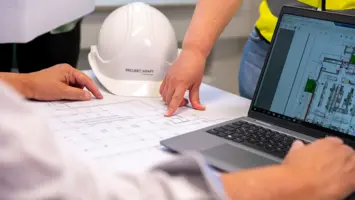
Projekt Kraft in Handelsblatt: A Collaborative Look at Modern Shop Fitting

Projekt Kraft is simultaneously opening three Douglas stores in Germany and Switzerland
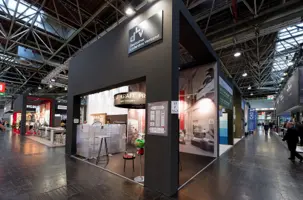
Projekt Kraft at EuroShop 2026 in Düsseldorf: A Look Back at the Trade Show
A Turnkey Interior Fit-Out in Just a Few Steps – How It Works
Fill in our inquiry form or contact us directly. We will gather all the essential details about your construction project.
Together, we define your goals and requirements to create a solid foundation for efficient implementation.
You will receive a precise schedule and a detailed cost estimate - ensuring maximum planning certainty.
We coordinate all trades, monitor progress and support you until turnkey handover and beyond: We are here for you even after project completion.